 Md Rakib Hossain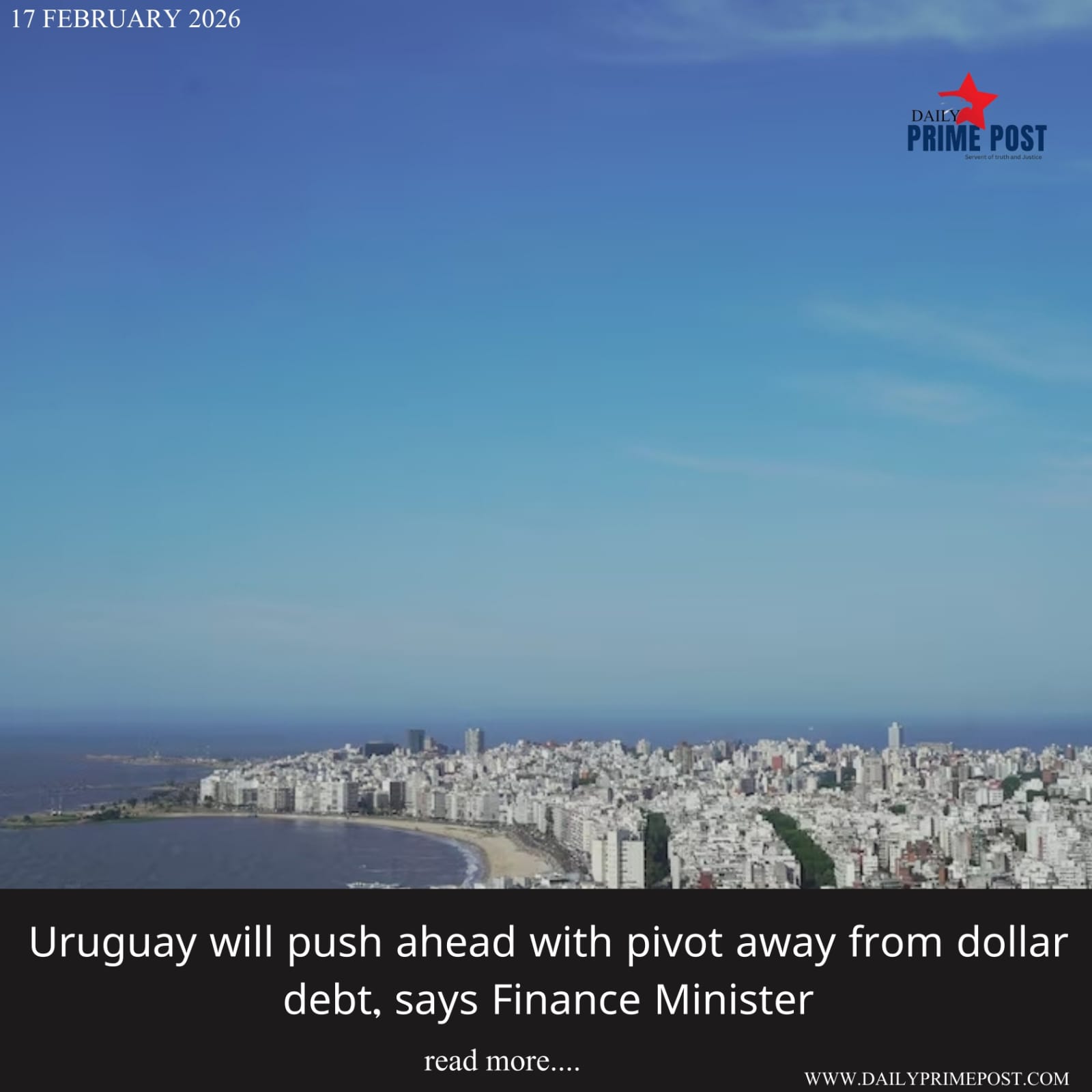
Uruguay will push ahead with shifting its government debt away from the dollar and seek the broadest trade ties possible as the Latin American nation looks to boost growth, the country’s finance minister told Reuters.
Gabriel Oddone said Uruguay’s aim is backed by solid investor demand, with some viewing the country’s currency as “more stable than the dollar” as the greenback weakens and geopolitical risk roils once-stable Western world investments.
We are moving (forward) in the de-dollarization process,” Oddone told Reuters, referring to the government’s ambition to issue about half the country’s debt in domestic currency in the near future.
In the early 2000s, some 90% of debt owed by the relatively wealthy South American farming nation was in U.S. dollars, Oddone said, due to limited demand for debt in Uruguayan pesos and also due to lower costs for greenback-denominated debt.
Now, Oddone said, moving to peso debt protected the government from currency swings outside its control.
“Issuing pesos is more expensive than using dollars, but … it’s part of the strategy to diversify our risks, and especially be prepared (for) shocks coming from abroad,” Oddone said, noting that repaying in pesos, the currency in which it collects taxes, is more predictable.
Uruguay’s efforts are boosted by investors who are chasing local currency debt in emerging and frontier markets as a lucrative investment – and one that helps them diversify away from the dollar. Last year, Uruguay – which has an investment-grade sovereign rating – issued 40% of its international debt in pesos – the highest-ever level.